
AI-Washing Claims
AI-washing securities class actions now drive most US disclosure losses. What it means for D&O insurance at Israeli tech companies and AI startups in 2026.


AI-washing securities class actions now drive most US disclosure losses. What it means for D&O insurance at Israeli tech companies and AI startups in 2026.

AI coding tools deliver real productivity, and in the same breath they push security weaknesses into the development pipeline faster than legacy controls were designed to catch them. A 2024 developer survey found that roughly 97% of the enterprise developers polled were using AI tools to write code at work, so the management question moved long ago from whether to use them to how to control them.
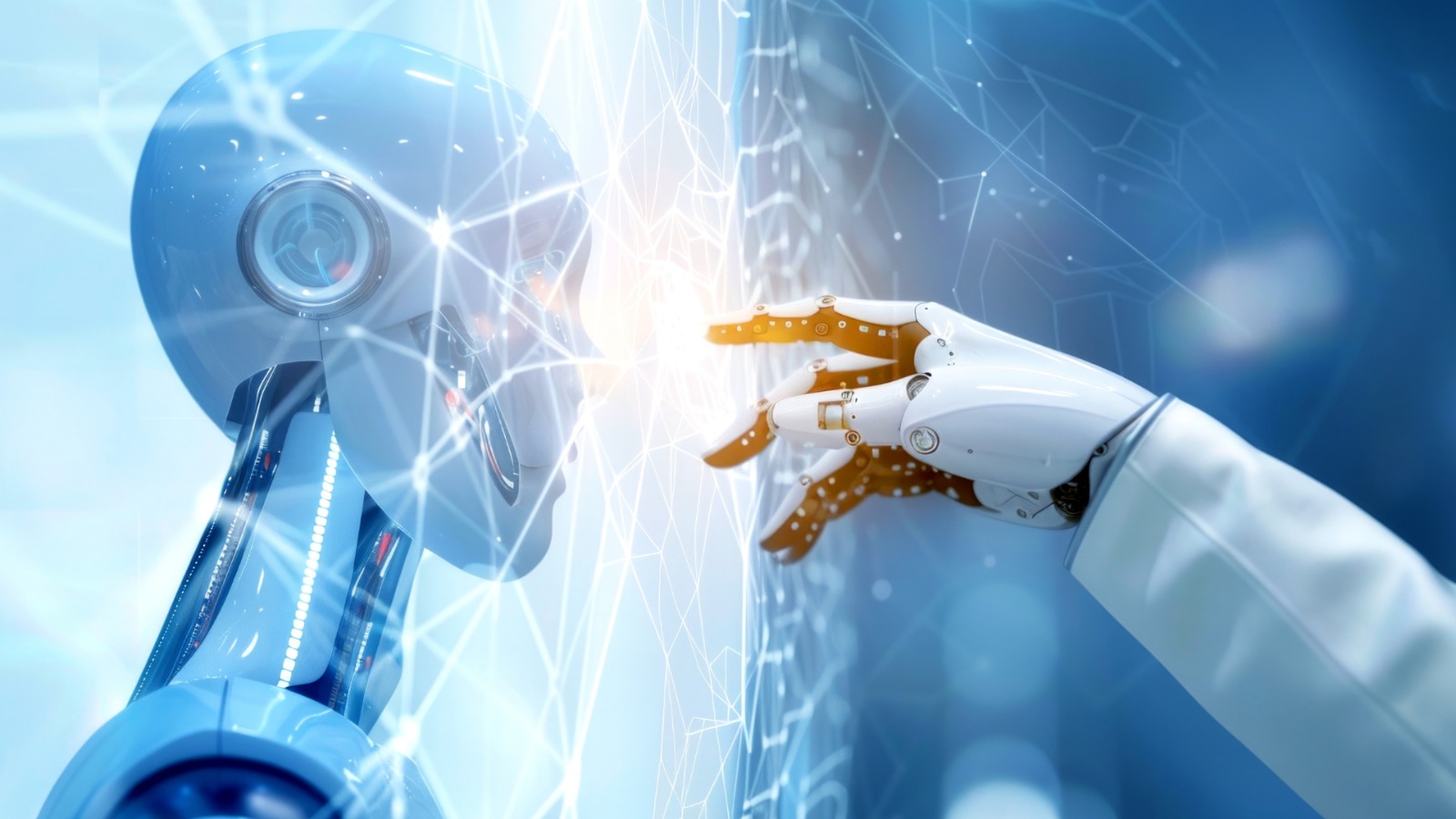
Science fiction has long toyed with the idea of intelligent machines becoming citizens or legal entities. Today, with AI systems growing ever more sophisticated, a once-theoretical question is creeping into real policy debates: Should AI agents ever be granted legal personhood? That is, recognized in law as having rights and responsibilities akin to a human or a corporation.
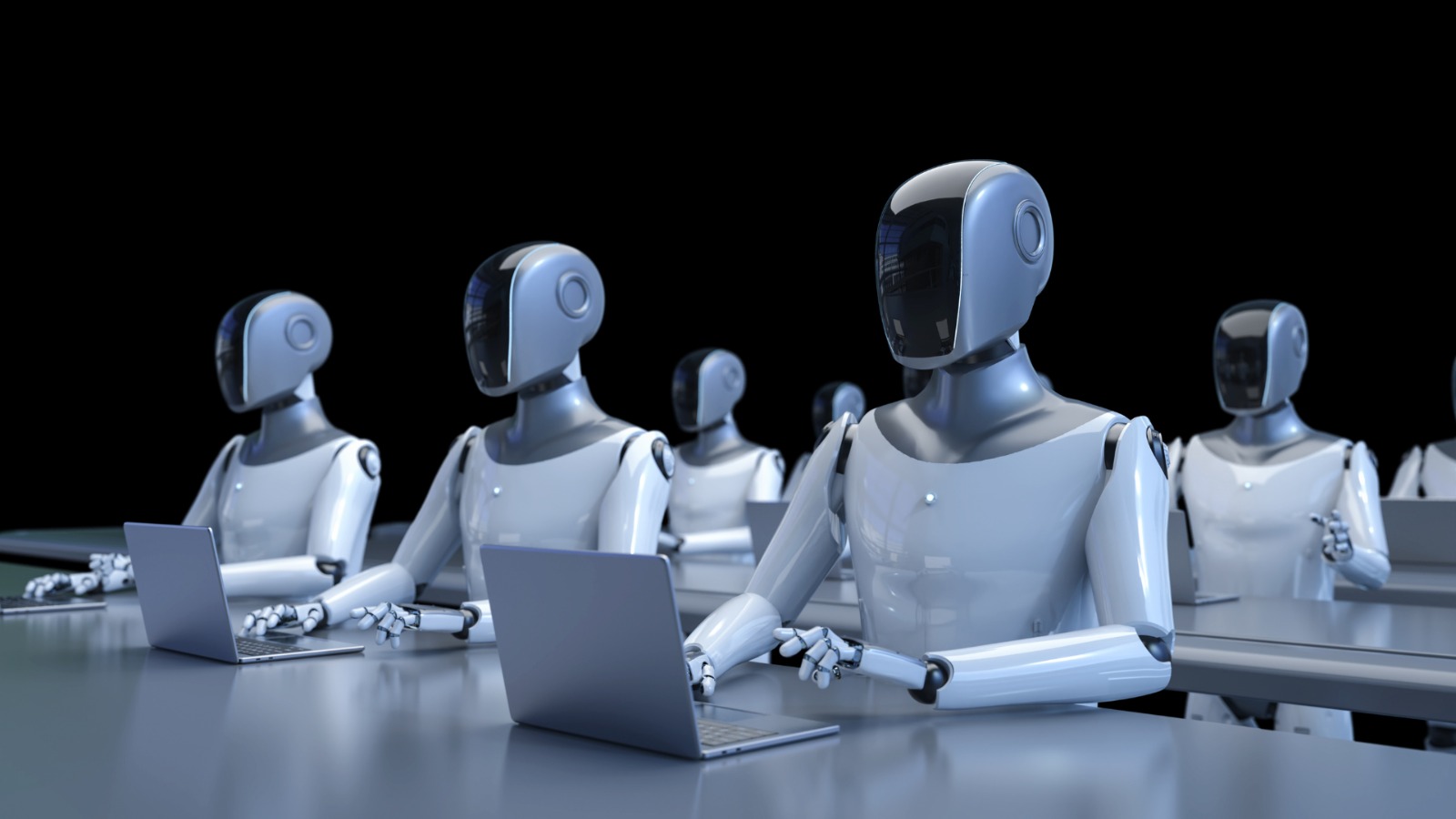
Picture this: A company is using an AI agent powered by GPT-5 to negotiate deals with suppliers and even execute contracts on its behalf. The AI can communicate, bargain, and reach agreements faster than any human team. This isn’t science fiction – businesses are already experimenting with AI in procurement and sales negotiations to streamline transactions. But along with this efficiency comes a new kind of risk.

We live in an age where you could receive financial planning from a bot, medical triage from an app, or legal information from a chat window – all powered by artificial intelligence. GPT-driven advisors and expert systems are increasingly capable of providing guidance that once only a human professional could. But what happens when that AI-powered advice is wrong, and someone gets hurt or suffers a loss as a result?
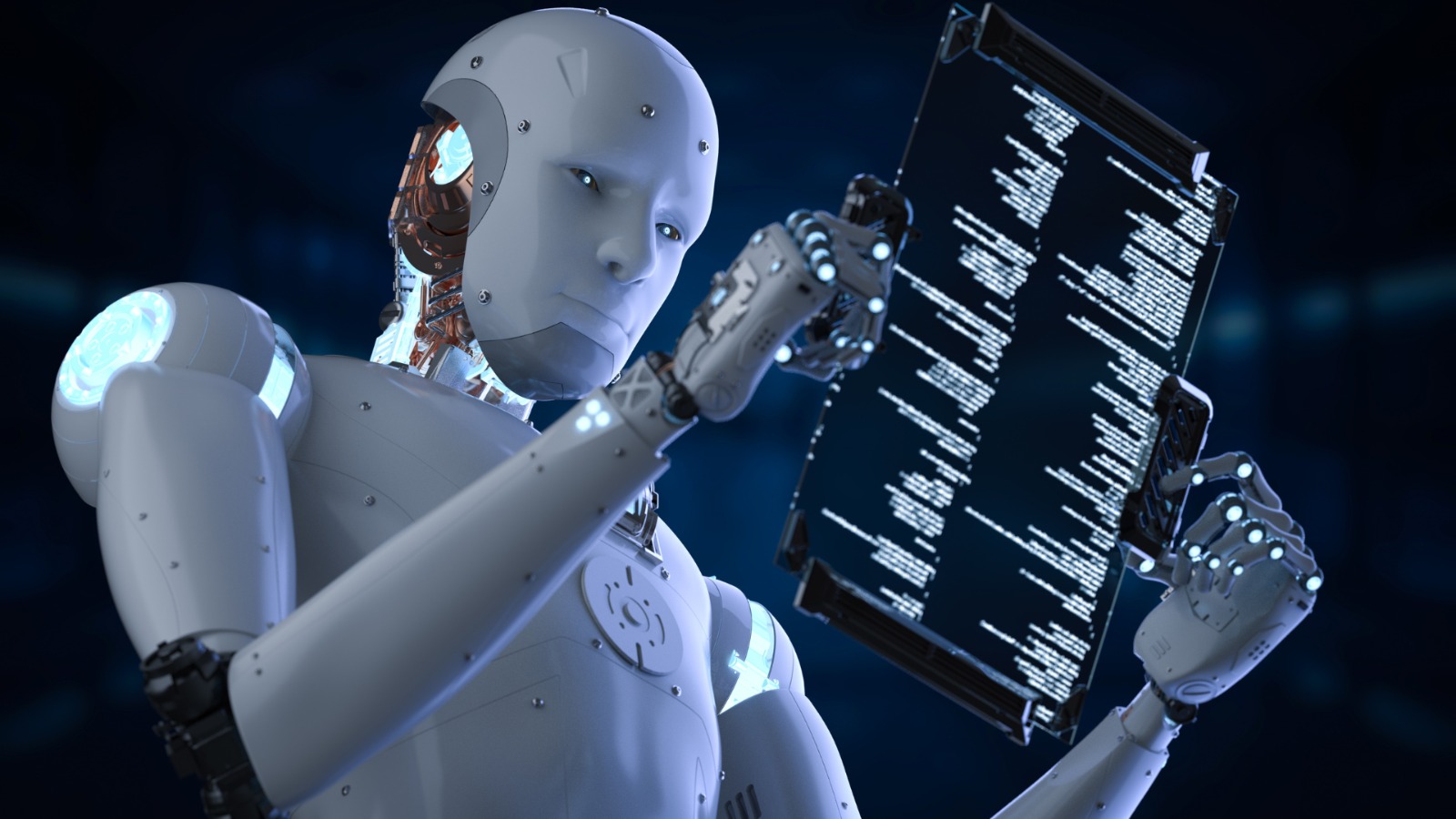
The advent of GPT-4 showed businesses the power of large language models (LLMs) – and GPT-5 is poised to take it to another level. These AI models can generate human-like text, write code, analyze data, and more. Companies are rushing to embed GPT-5 into products and workflows to gain competitive advantage. But with great power comes great risk. Hallucinations (confident but false outputs), data leaks, and compliance concerns are among the new perils introduced by using such models. How can insurers step up to mitigate these risks and design coverage for companies leveraging GPT-5?

Artificial intelligence agents are rapidly becoming integral to business operations – acting as copilots in coding, drafting content, customer service bots, and even decision-makers.
To stay protected, companies must ensure their cyber insurance and directors and officers (D&O) insurance policies evolve as quickly as AI itself. This article explores how AI is raising the stakes in cybersecurity, what “AI insurance” entails, and why D&O coverage is more crucial than ever in the age of AI.
The AI insurance market is evolving quickly as artificial intelligence becomes integral to business operations. In the past few years, what began as a niche idea is now gaining momentum worldwide. Below are key trends and future forecasts for AI insurance.
AI insurance policies are designed to address a range of risks that arise from using or providing artificial intelligence. While specific coverage can differ by insurer, most AI insurance covers the following types of incidents and liabilities.

Artificial intelligence (AI) insurance is a new type of business risk coverage designed to protect organizations against losses and liabilities caused by AI systems. As companies integrate AI models into products and operations, they face unique risks that traditional insurance policies don’t fully address. AI insurance fills this gap by specifically covering incidents where AI technology fails, makes errors, or behaves in unexpected ways that lead to financial harm or legal issues.