The Problem – Traditional product liability gaps
Conventional product liability insurance is designed for tangible goods and bodily injury, and it typically ignores purely digital aspects. A video game itself usually isn’t considered a “product” in these policies’ terms. As a result, if players or third parties allege harm caused by the game’s design or features, there may be no straightforward coverage. Similarly, standard professional liability (E&O) policies do not normally cover allegations of consumer harm or behavioral impact.
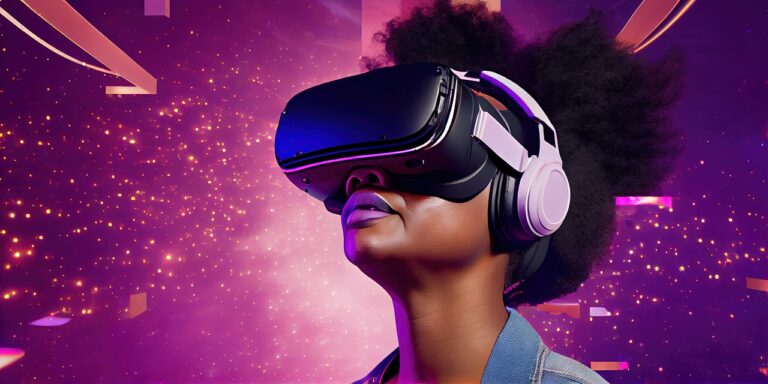
For example, if players or parents claim that a game’s loot box mechanics or aggressive monetization caused addiction or financial loss, these claims may fall into a gray area not covered by basic policies. Even if a user is injured using VR equipment, product liability may not apply unless hardware is at fault; software-induced injuries can be difficult to place under an ordinary insurance plan.
The Solution – Tailored coverage for player claims
A specialized insurance solution for digital products can bridge these gaps by providing targeted extensions:
- Extended Tech E&O / Digital Product Liability: Enhances professional liability to cover claims related to the game as a product. This pays for defense and settlements if software design or defects caused harm. For instance, if a VR game malfunctions and causes a player injury, or if an error in a loot box algorithm incorrectly charges players, this coverage responds.
- Consumer Protection and Addiction Coverage: Addresses lawsuits alleging harm from game features. If players or parents sue, claiming an addictive game mechanic (like excessive loot boxes or gambling elements) caused damage, the policy funds legal defense and potential settlements.
- Prize and Refund Coverage: Covers disputes over in-game purchases or tournament awards. For example, if a contest prize is awarded illegally or a player demands a refund for a virtual item, this coverage can pay the obligation. It supports settlements or rescues financial commitments made in-game.
- Media Liability Integration: Since many player claims involve content or publicity, media liability coverage can help. If a player sues for unauthorized use of their likeness in a game or alleges defamation in player communications, a media liability policy covers legal response and any damages.
Typical Claims Scenarios
- Scenario 1: A child spends thousands of dollars on in-game loot boxes and later claims the game’s addictive design misled consumers. The company faces a lawsuit from the child’s parents. Extended Tech E&O covers defense costs and settlements for this consumer claim under a specialized product liability extension.
- Scenario 2: A virtual reality gamer injures themselves due to a software glitch (e.g., the game does not properly halt movement near walls). They sue the developer for negligence. The combined policy (including digital product liability coverage) provides legal defense and settlement to resolve the injury claim.
- Scenario 3: An online gaming tournament awards a cash prize to a minor in violation of age restrictions. Regulators or family members sue the platform for enabling illegal gambling. The Prize Coverage helps reimburse the prize money and funds the legal defense for the organizer.
Insurance by Business Model
- Social and Simulation Games: Virtual items may represent real money value. Operators should ensure rigorous age verification and transaction limits. Key coverages: Extended E&O/Product Liability, plus Cyber insurance for transaction security.
- Addictive or Betting Games: Claims often relate to addiction and consumer protection laws. Coverage expansions should address compulsive gaming elements and compliance (e.g., age screening). Ensure product liability extensions explicitly include gambling-type content.
- VR and Simulation Hardware: Combines software and physical gear. Exposures include physical injury and design defects. Required cover: physical product liability for hardware (accidents) and digital product liability for software failures.
- In-Game Advertising and Live Streaming: Distributors of gaming content face copyright and defamation claims. Important coverages include Media & IP insurance and Cyber protection for broadcast infrastructure.
- Game Development Services: Studios creating games for others. Liabilities include software bugs or missed performance targets. Professional E&O with digital extensions is critical to protect against client lawsuits for game defects.
Pro Tip
When dealing with digital product liability, clear user agreements and disclosures are essential. Define purchasing terms and age restrictions, and include clauses limiting liability for addictive or unexpected game mechanics. In negotiations, consider product liability extensions or a Cyber/E&O endorsement that explicitly mentions gaming scenarios (addiction, loot boxes, in-game transactions).
Quantifying exposure is also key: estimate the volume of in-game purchases, number of minor users, and maximum virtual currency at risk. This helps in setting appropriate limits and retentions on your policy