What makes drone companies’ risk special?
Operating drones combines physical aviation risk with advanced technology liability. A small malfunction can lead to a crash causing property damage or bodily injury to third parties. At the same time, an error in your software, data analytics or autonomous algorithm might result in a client’s financial loss (for example, incorrect mapping data leading to poor decisions).
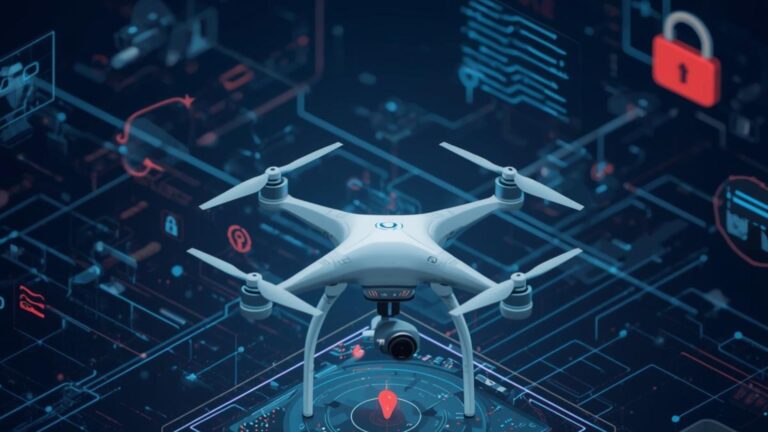
There are also privacy and cybersecurity factors: drones gather sensitive data and rely on wireless communication, making them targets for hacking or data breaches. All of this happens under strict aviation regulations and airspace rules, which vary by country and require compliance. Moreover, enterprise clients and regulators often impose contractual insurance requirements and high standards on drone tech firms. In short, drone businesses must navigate a convergence of aviation, tech E&O, cyber, and regulatory risks – a challenge that general business insurance isn’t equipped for.
Key Insurance Coverages for Drone Businesses
A comprehensive insurance program for a drone or UAS company typically includes several specialized policies to address different facets of risk:
- Technology Errors & Omissions (Tech E&O) / Professional Liability: Protects against claims of financial loss due to errors, omissions, or negligence in your technology or services. For example, if a software bug or algorithm mistake in your platform causes a client’s project to fail or incur extra costs.
- Aviation Liability (Third-Party Bodily Injury/Property Damage): Covers legal liability if a drone operated by your company crashes or causes an accident, injuring someone or damaging property. This is specialized aircraft liability coverage designed for drones (which are legally considered aircraft in many jurisdictions).
- Product Liability for Drone Hardware: If you manufacture or supply drones, components, or payloads, this covers you in case a defect in your product leads to an accident or damage. For instance, if a battery failure or hardware malfunction in your drone causes a fire or crash, product liability insurance handles the resulting claims.
- Cyber Liability Insurance: Provides coverage for cyber incidents – such as a hacker taking control of a drone or stealing mission data, a ransomware attack on your drone fleet management system, or a data breach of sensitive imagery. This helps with incident response costs, legal liability to clients (e.g., for privacy breaches), business interruption losses due to system downtime, and cyber extortion demands.
- Directors & Officers (D&O) Liability: Protects the personal liability of your company’s directors and officers if they are sued over decisions made in running the company. For drone tech firms, D&O is vital; examples include investor lawsuits if milestones are missed, regulatory actions after a serious drone incident, or allegations of mismanagement in a high-stakes contract.
Why not rely on a standard business policy?
Most general liability policies explicitly exclude aircraft (and drones are often categorized as such), meaning any drone-related accident would not be covered. They also won’t cover purely economic losses from tech failures (no E&O), nor specialized cyber threats. In the drone industry, the stakes are simply too high and the contract requirements too strict to leave these exposures uninsured. A purpose-built program using reputable aviation and tech insurers (including Lloyd’s of London markets and others experienced in UAS risks) is the prudent path.
Who needs specialized drone insurance?
Any serious enterprise in the UAV/UAS field should consider it indispensable. This includes drone manufacturers and integrators, enterprise drone service providers (for infrastructure, agriculture, security, etc.), drone software SaaS providers, UTM (Unmanned Traffic Management) platform developers, and beyond. When you’re dealing with critical infrastructure inspections, defense or security operations, autonomous delivery systems, or any application where failure can cause significant harm, having the right insurance means you can innovate and operate with confidence. Even if insurance isn’t legally mandated in all cases, savvy clients and investors will expect your risk management to be rock-solid.
Pro tip: The exact mix of coverages will depend on your business model. A company offering “drones as a service” might need a different emphasis (more on aviation liability and hull coverage) compared to a company that provides drone AI software (which would focus on E&O and cyber). Working with a broker who understands both tech and aviation risks is key to tailoring the program correctly.
Ready to elevate your risk management? Contact us today to schedule a consultation or policy review. We’ll help ensure your drone tech company has a custom-fitted insurance program – so you can focus on flying higher, knowing you’re safely covered on the ground.